
Uncategorized
If You Grab Me Imma Bite You: AI Dog Video Trend Explained
What does ‘if you grab me imma bite you’ mean? Learn the AI dog-video joke, its reported origins, how to make one, and how to keep it pet-safe.
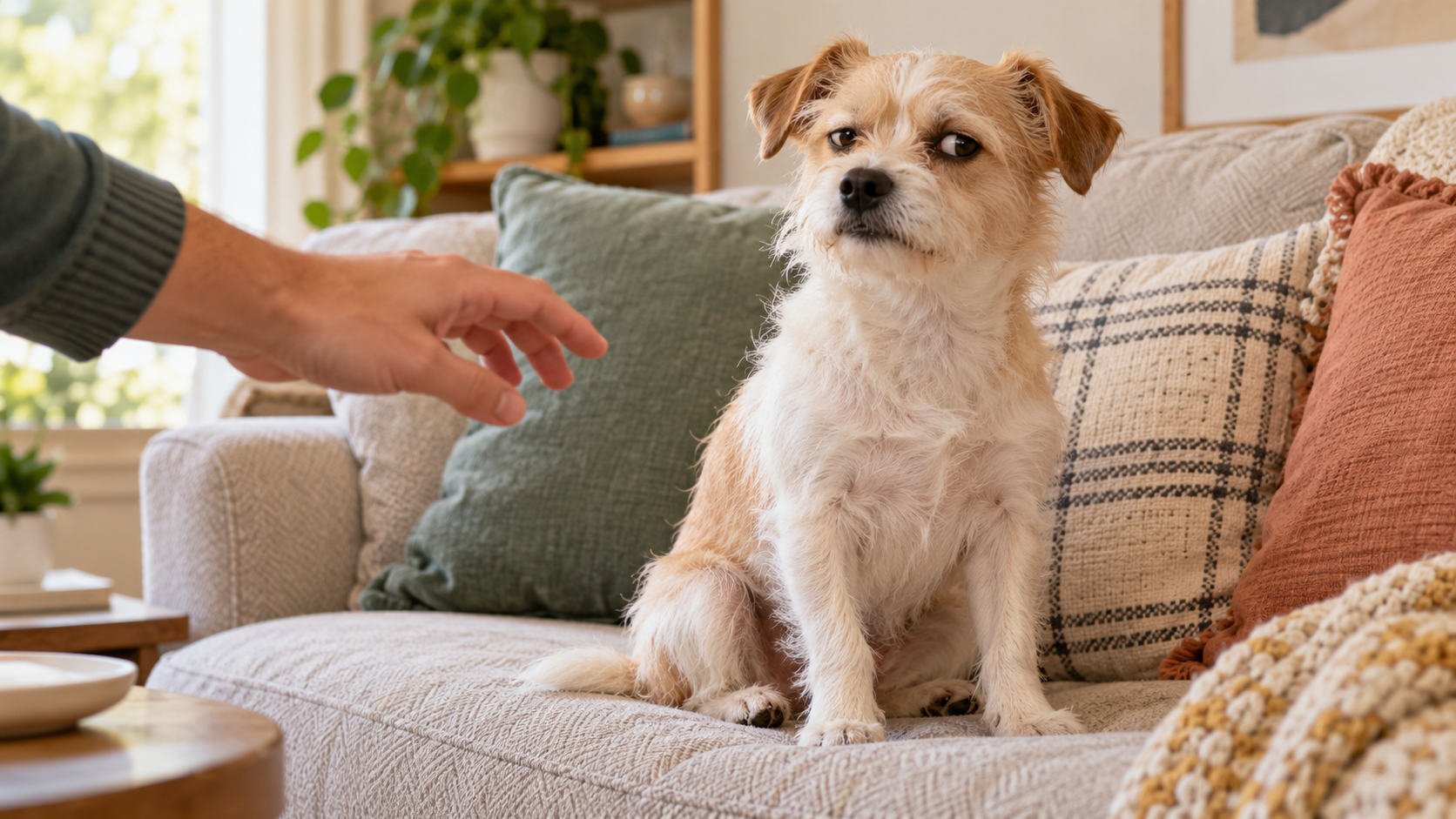
The “if you grab me imma bite you” meme is a short AI pet-video format. A dog or cat appears to deliver a mock-serious warning, often with an upright pose or a small paw gesture. The joke is the mismatch between a familiar pet and a dramatic human voice. The audio came first; the talking animal is a generated remake.
If you want to try the format, begin with a clear photo of your pet, describe one simple reaction, then add audio from a library you are allowed to use. You can explore the AI video workspace or the image-to-video workspace for a starting point.
What does “if you grab me imma bite you” mean?
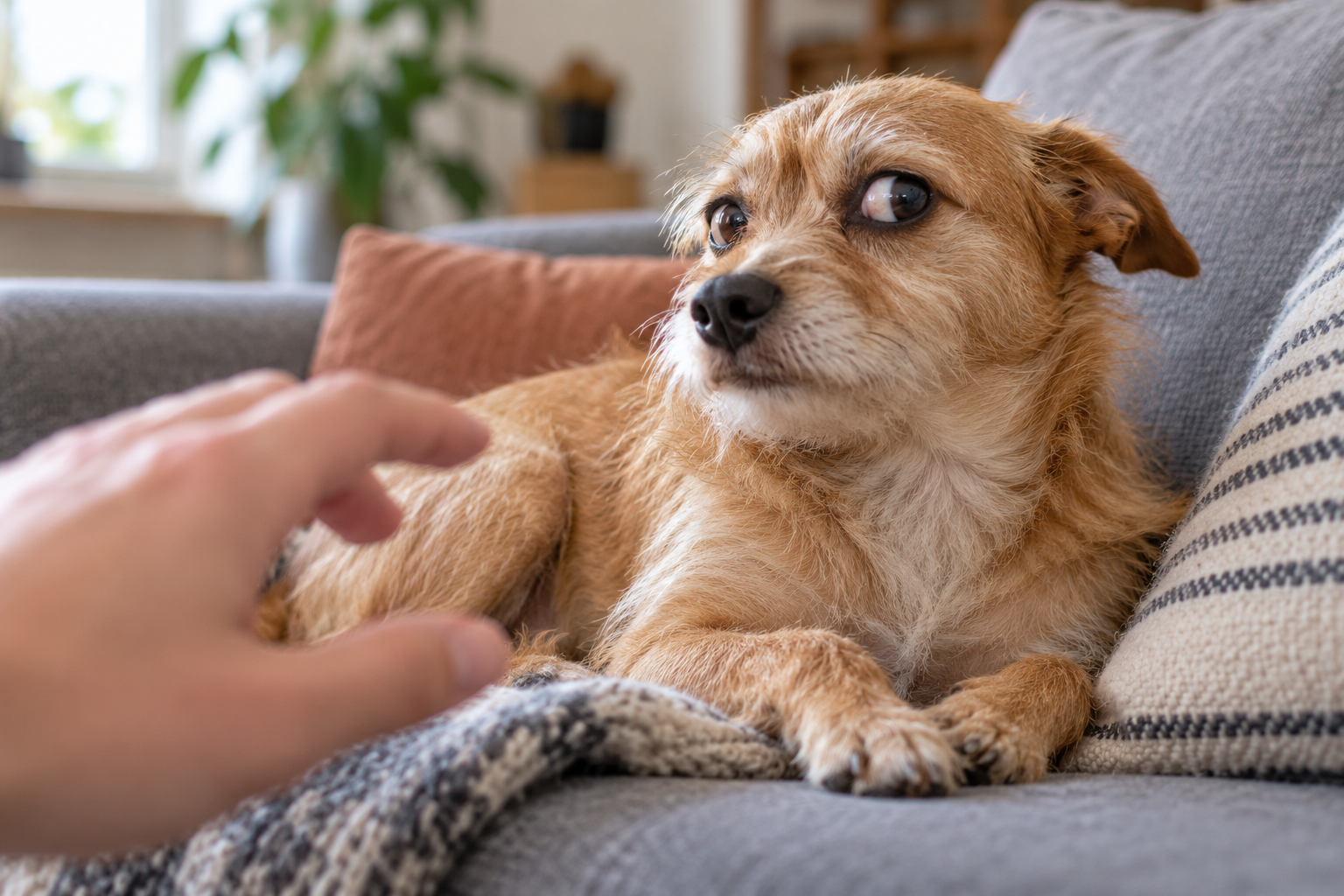
The phrase is used as a playful, exaggerated boundary-setting line. In the meme, it gives a sweet-looking pet an unlikely tough-guy attitude. The line is associated with a human audio clip, while the dog or cat speaking on screen is made with AI. It is not footage of a real pet talking.
The format does not have one fixed scene. Some remakes put a dog on a couch, others use a car seat or a cat that looks deeply unimpressed. The setting can change, but the comic beat stays the same: a small, familiar animal acts like it is delivering a firm warning.
Where did the “If You Grab Me Imma Bite You” trend come from?
Current meme-tracking records point to a January 2026 TikTok Live moment associated with rapper Finesse2Tymes. The current Know Your Meme entry is still marked as being researched, so the early timeline should be read as reported examples rather than a settled origin story.
One documented early AI remix appeared in January, using a cartoon character. Dog-photo remakes became much more visible on TikTok and Instagram Reels in May 2026. That spread explains why searches for the phrase often include “AI dog,” “AI video,” or “template.” No single talking-dog upload should be treated as the original recording; the animals are remakes of the same audio idea.
Why does the format work?
The line is blunt, but the visuals are usually cute. That contrast makes a simple reaction feel like a character performance. A sofa, passenger seat, or front-facing camera gives viewers enough context to understand the joke before the clip ends.
The format is also easy to personalize. A creator can keep the same setup and swap in a different pet, room, outfit, or camera angle. The best versions usually make one choice clearly instead of asking the model to change the scene, pose, expression, and camera all at once.
How to Make an “If You Grab Me Imma Bite You” AI Pet Video: A Simple Workflow
Step 1: Choose a clear pet photo
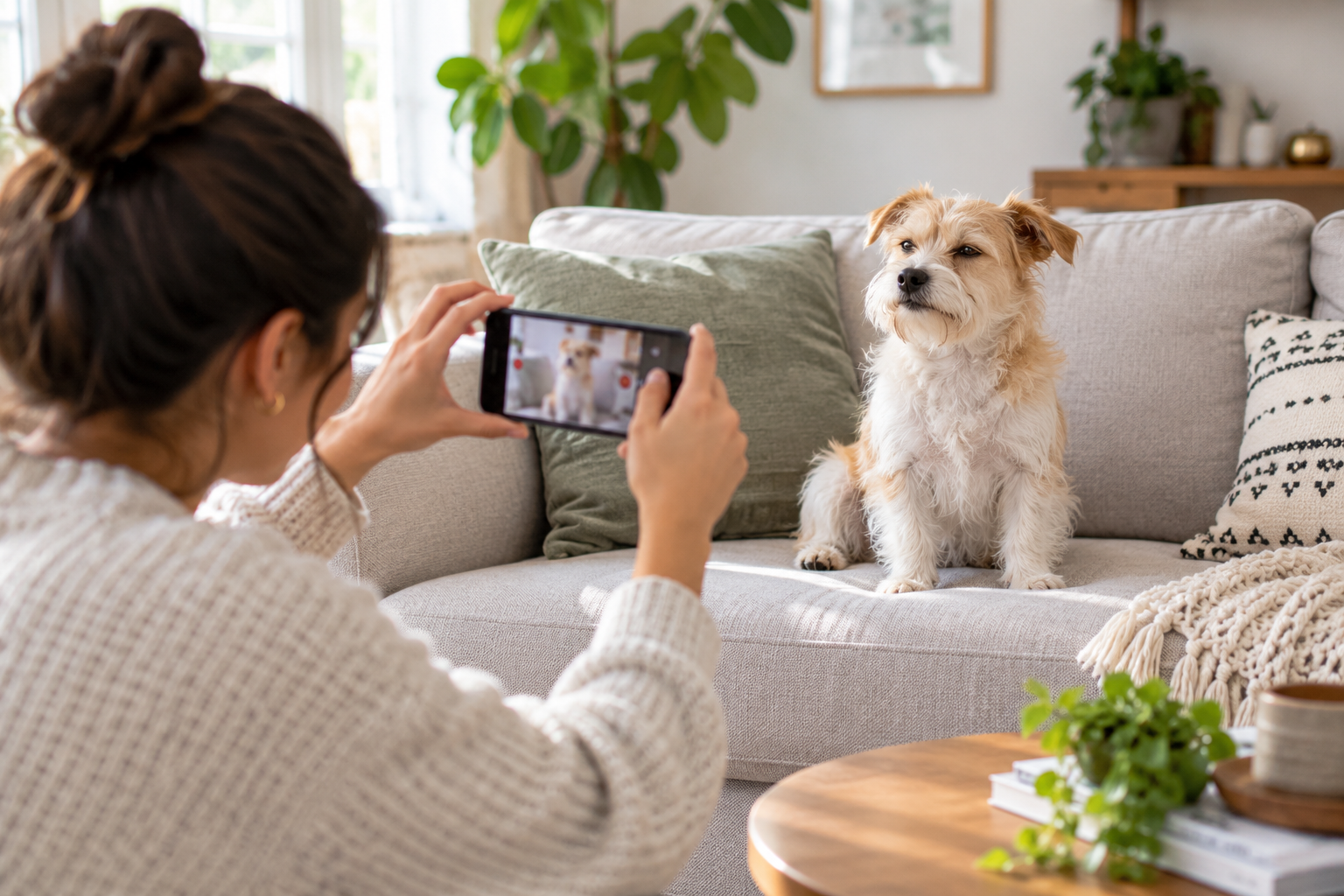
Use a photo you have permission to use. A sharp, well-lit image with the pet’s face visible gives a video model more detail to preserve. If the clip needs an upright pose, a photo that shows more of the body can help, though results vary by model. Avoid relying on a cropped face if you want convincing full-body movement.
Step 2: Plan one readable reaction
Pick one main action: look toward the camera, lift a paw once, then settle. Keep the tone mock-serious and the pet relaxed. A single gesture is easier to follow than a list of fast movements, and it leaves room for the audio to carry the joke.
Step 3: Describe the shot, movement, and limits
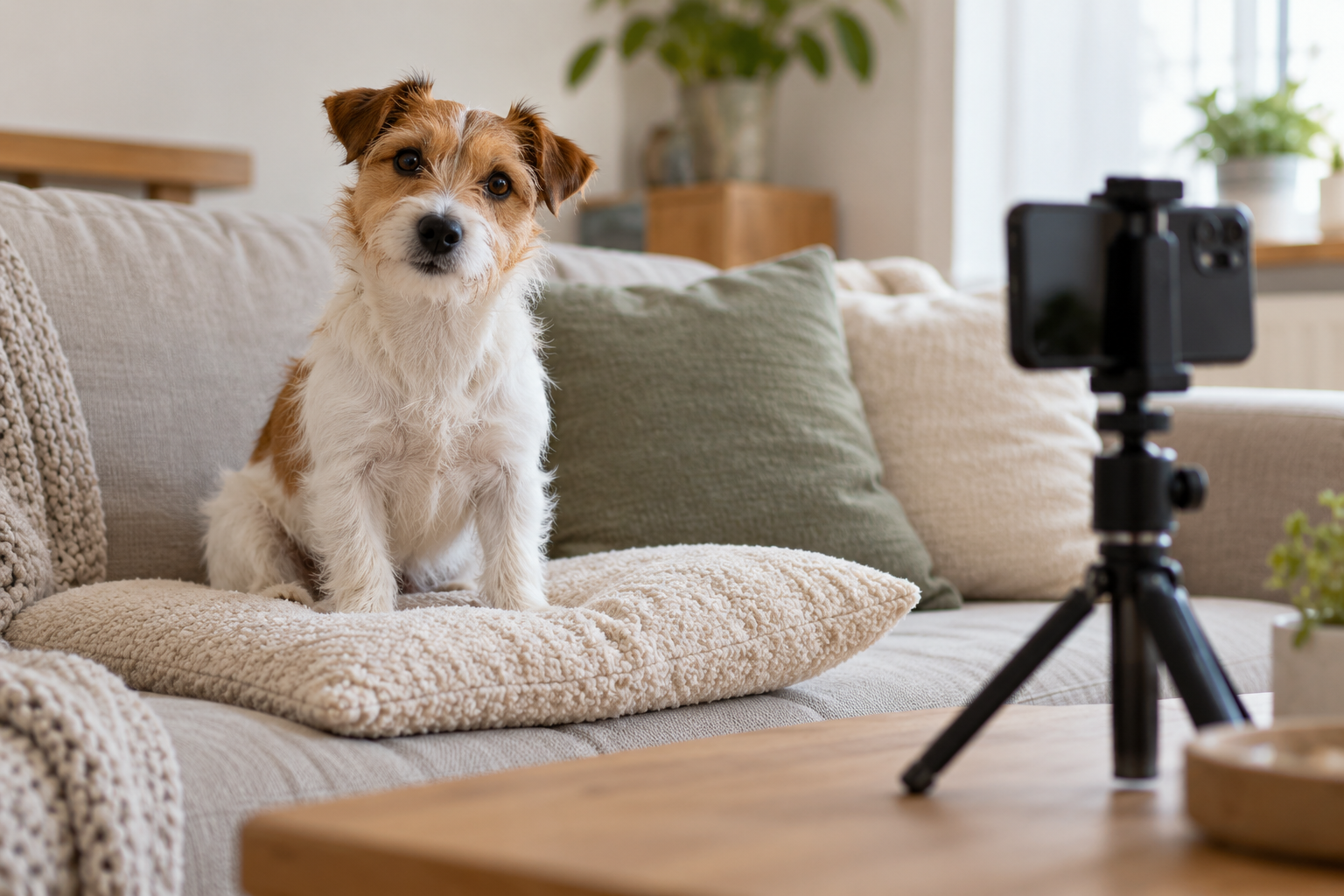
Mention the pet’s identity, the room, the camera framing, and the one action you want. If your tool accepts a reference image, say that the pet’s coat, markings, and face should stay consistent. Ask for gentle, natural movement and a closed-mouth expression. Do not ask the model to make a real animal bite anyone.
A prompt can start like this:
Use the supplied pet photo as a visual reference for a fictional short video. Preserve the pet’s coat, markings, and face. In a calm living room, the pet sits upright on a cushion, looks at the camera with mock-serious confidence, lifts one paw once as if saying “hold on,” then settles back. Keep the pet relaxed, with no bite or contact. Soft daylight, one steady camera push-in, vertical 9:16 framing, natural pet movement, no text, no logos, no added audio.
Step 4: Generate a short clip and review it
Start with a brief version. Check that the pet still looks like the reference, the paw movement reads clearly, and the mouth or body does not distort. If something feels off, change one instruction at a time. A shorter prompt with one action often gives you a cleaner result than adding more adjectives.
Step 5: Add audio and export carefully
If you use the recognizable sound, select it from the destination platform’s licensed or in-app audio library when available. Audio rights and availability can differ by platform and region. You can also use an original voice line or a sound you have permission to publish. Trim the clip so the reaction and line land together, then review it in the vertical format where you plan to share it.
Make the idea your own
The joke works with more than one couch scene. Try a passenger-seat setting, a rainy-day outfit, or a cat with a very serious stare. Keep the pet recognizable and change only one visual element per version. That makes it easier to compare results and keeps the punchline clear.
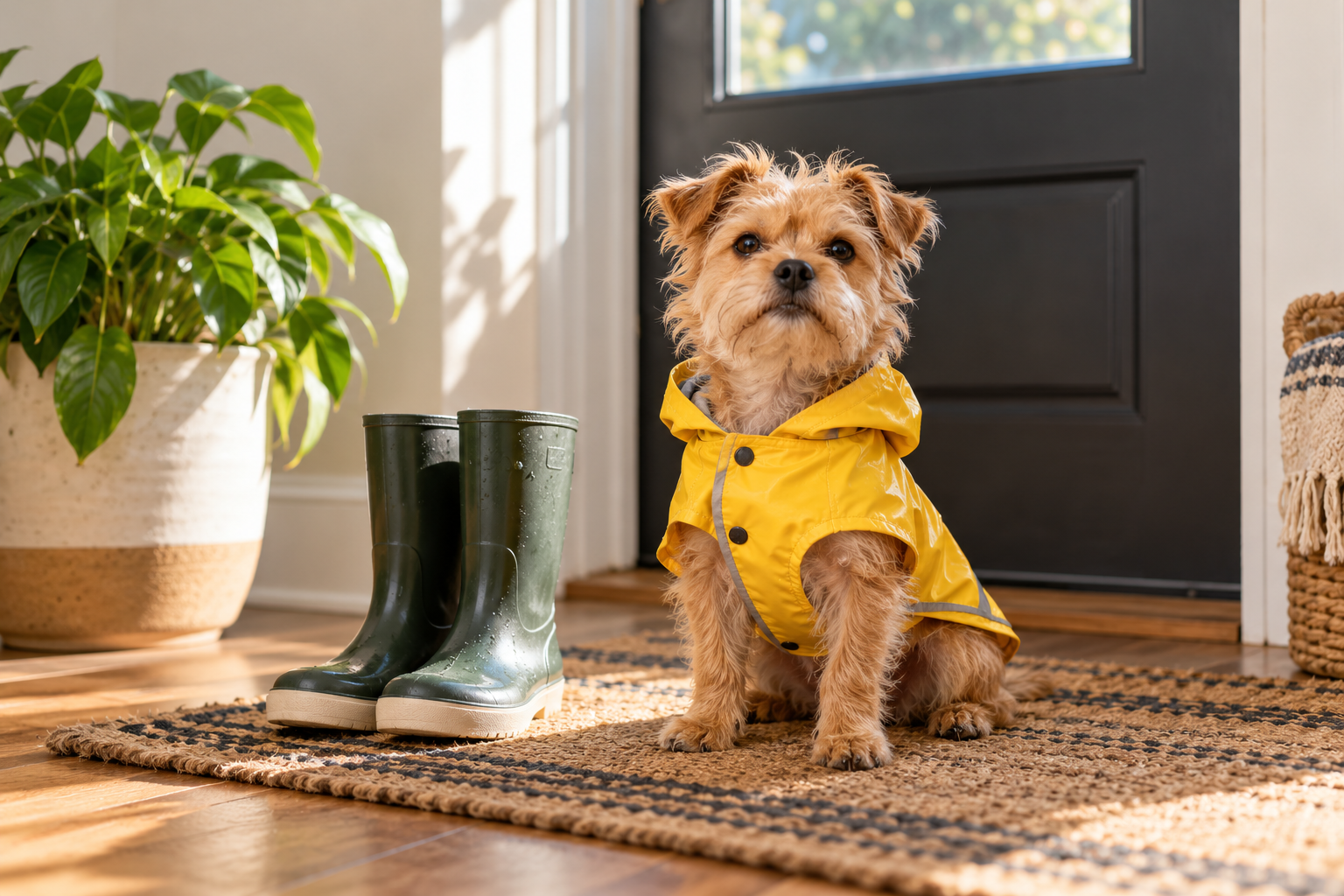
For more trend formats, see our Popstar AI video guide, Bottle Kick Challenge guide, and Chuttamalle AI video guide. Each starts with a different visual hook, but the same advice applies: keep the prompt specific and review the finished clip before posting.
Keep the joke fictional and respect real pets
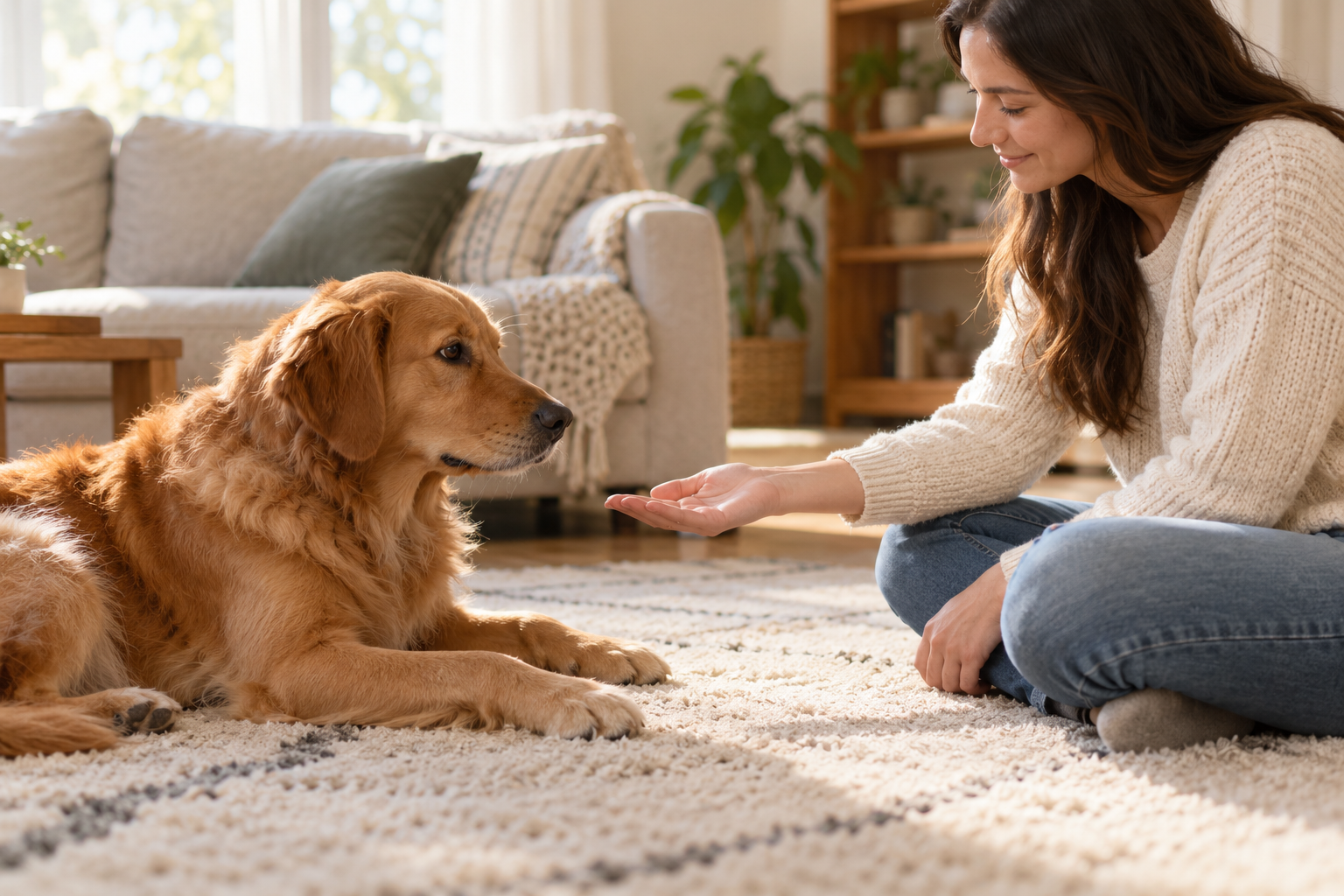
The “bite you” line is part of a joke, not a reason to grab, scare, or provoke an animal for a reaction. A real dog may bite when stressed or cornered. Leave the pet room to move away, stop filming if it shows discomfort, and use generated motion for the exaggerated performance. Do not stage an unsafe interaction to make an AI meme look more convincing.
FAQ
What is the “if you grab me imma bite you” meme?
It is an AI pet-video meme that pairs a human audio clip with a generated dog or cat acting out a mock-serious warning. The humor comes from the contrast between the pet’s appearance and the line.
Is the talking dog in the video real?
No. The speaking pet is generated or edited with AI. The audio is associated with a human clip, not a recording of a dog talking.
How can I make the trend with my own pet?
Start with a clear photo you have permission to use, describe one simple reaction, and generate a short clip with a tool that supports your chosen input. Review the result, then add audio you are allowed to publish.
Is the reported origin timeline confirmed?
Not completely. Current meme documentation still marks the entry as under research. Treat the January and May dates as documented examples in the trend’s spread, not proof that a particular post was the first one ever made.
How do I keep a real pet safe while making the video?
Do not grab or provoke the animal for a shot. Use a generated performance for the joke, give the pet space, and stop if it seems uncomfortable.